
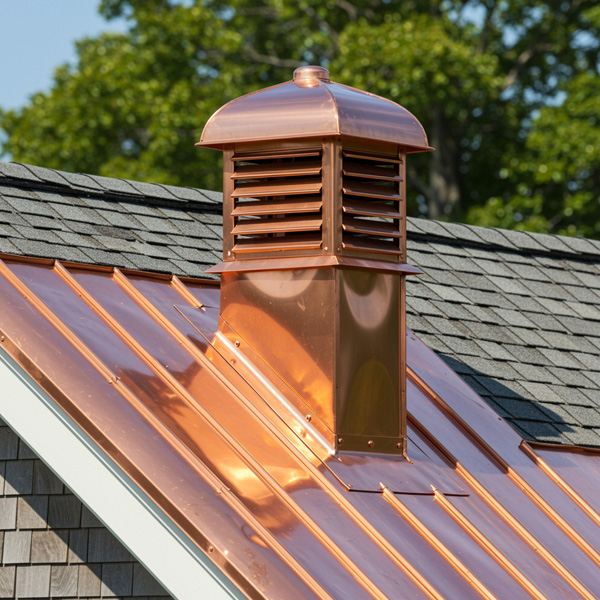
 Introduction
In the world of architecture, there's a sweet spot where functionality meets beauty, and that's exactly what copper louvers and chimney caps deliver. In Southeastern Massachusetts, where coastal elements can be particularly harsh, these copper accents are not just eye candy; they serve a critical role in protecting your structure while enhancing its aesthetic appeal. Let’s explore how these architectural elements Massachusetts elevate rooflines, the myriad options for customization, practical installation tips, and their significance in historic preservation.
From seaside cottages in Cape Cod to historic homes scattered throughout Massachusetts, the unique charm of copper elements can be seen throughout the landscape. Homeowners and architects alike are drawn to the timeless appeal and durability of copper products. Copper louvers and chimney caps stand out not just for their visual beauty but also for their robust functionality that works harmoniously with the architectural integrity of any building.
As we delve deeper into copper louvers and chimney caps, you’ll discover their roles in ventilation and protection, how they can be tailored to match your style, and important tips for installation. Additionally, their significance in preserving historic structures adds another layer of value that should not be overlooked. Whether you’re in the midst of a new build or considering an upgrade to an existing structure, the benefits of integrating copper cannot be understated.
Understanding the Role of Copper Louvers and Chimney Caps
Copper louvers and chimney caps act as guardians for your home. Louvers facilitate ventilation, helping to manage moisture and airflow in attics and other spaces, which is crucial for preventing mold and decay. Their design allows air to flow in while keeping water, debris, and pests out, which protects not just the aesthetic elements of a house but also its structural integrity. In Southeastern Massachusetts, where humidity levels soar and storms can be severe, these features are particularly important for maintaining a healthy living environment.
On the other hand, chimney caps serve a vital function by protecting against water intrusion and critter invasions, ensuring chimneys remain functional and safe. They act as a barrier against rain and snow, preventing moisture from accumulating within the chimney and potentially causing damage to both the flue and the home. Furthermore, chimney caps help deter birds and small animals from nesting in chimneys, which can lead to blockages and unsafe situations when using fireplaces. By incorporating these architectural elements Massachusetts into your design, you’re not merely enhancing function; you're also adding elegance to your rooflines.
In summary, the roles played by copper louvers and chimney caps go beyond the visual appeal they contribute to buildings. They offer essential solutions for ventilation and protection, ensuring homes not only look great but are also built to last. Understanding and appreciating these benefits can help builders make informed decisions when designing and constructing structures that can withstand the elements.
Options for Customization
The charm of copper lies in its versatility. Cape Cod Copper offers a wide range of customization options, allowing architects and builders to create copper louvers and chimney caps that align with their vision. From tailored sizes and intricate designs to bespoke finishes that complement various styles—from rustic to contemporary—there’s no shortage of creativity. This level of customization means that your architectural elements Massachusetts can be unique to your project, ensuring that they not only serve their intended functions but also enhance the overall look of the home.
Whether you’re searching for a classic patina finish that highlights the age-old beauty of copper or a polished appearance that shines under the sun, customization options provide a pathway to achieving a unique look that customers will appreciate. Additionally, collaborating with a craftsman who understands the materials and techniques will ensure that the louvers and caps are created to serve specific aesthetic and functional requirements.
Moreover, customization extends beyond mere aesthetics. It can also encompass functionality, allowing you to tailor louvers to optimize airflow based on the specific environmental conditions of your area. When designing for unique architectural styles found in Cape Cod, for example, the right approach to customization can ensure that the louvers and chimney caps not only fit beautifully but also perform exceptionally in terms of ventilation and protection.
Practical Installation Tips
Installing copper louvers and chimney caps may seem daunting, but with the right approach, it can be straightforward. Begin by ensuring that all measurements are accurate to avoid complications down the line. For best results, it’s wise to consult with experienced professionals who understand the nuances of copper installation, especially regarding soldering and sealing techniques. Improper installation can lead not only to aesthetics issues but also functional concerns, potentially causing water leaks or airflow problems, both of which can be costly to rectify later.
Moreover, proper placement is key—make sure louvers are positioned for optimal airflow and chimney caps securely fit to prevent leaks and future issues. Ventilation requires careful planning, taking into account the flow of air in the space. It is also advisable to consider the specific climate in Southeastern Massachusetts, where heavy rains and coastal winds can influence how these installations should be conducted.
Finally, ensure that you follow local building codes and regulations when installing these elements, especially in coastal areas where guidelines may be stricter due to environmental concerns. Utilizing the right tools, like flashing to divert water and ensure a watertight seal, is imperative. By approaching the installation process with careful consideration, you will reinforce both the durability and visual appeal of your copper features.
The Importance of Functionality in Aesthetic Appeal
While aesthetics are certainly important, the functionality of copper louvers and chimney caps shouldn’t be overlooked. These elements must stand up to the elements while contributing to the overall design of the building. When well executed, they create a harmonious balance between functionality and beauty, protecting the integrity of your structure while enhancing its curb appeal. After all, a beautiful home is not only about what you see but also what you don’t see—like effective drainage and ventilation solutions.
Elevating rooflines with copper accents like louvers and chimney caps doesn’t just improve visual interest; it also contributes to structural health and longevity. When these elements are aesthetically integrated, they can enhance lines and profiles, visually leading the eye across vertical and horizontal planes. In regions such as Cape Cod, where the scenery frequently includes charming homes with unique architectural details, the integration of copper can transform a simple roofline into a captivating hallmark of craftsmanship.
Moreover, the maintenance of these features also assures continued aesthetic appeal. Over time, copper naturally develops a beautiful patina that not only adds character but also provides additional protection against corrosion. This effect exemplifies how functional components like copper louvers and chimney caps can elevate the overall appearance of a structure while serving their intended purpose diligently.
Historic Preservation and Copper Elements
In Southeastern Massachusetts, many homes have rich histories that deserve to be preserved. Custom copper louvers and chimney caps can play a vital role in this effort. When restoring historic structures, it’s essential to use materials and designs that align with the home’s original architecture. Copper can be an ideal choice as both a traditional and durable option, allowing builders to remain faithful to the property’s heritage while still enhancing its functionality.
Architecturally significant homes often have unique rooflines and detailing that require careful attention during restoration projects. Using copper for these elements can help replicate original designs while ensuring that the materials are robust enough to withstand the test of time. Compatible with vintage aesthetics, copper can seamlessly blend into the historic fabric of classic New England architecture, enhancing beauty while maintaining authenticity.
The role of copper in historic preservation is not only about replicating an original look. It’s also about utilizing materials that can endure the climate and environmental challenges found in coastal Massachusetts. By opting for copper, builders and homeowners are making an investment in durability and style, securing the integrity of their properties for generations to come. Thus, copper elements stand as a testament to preserving the past while paving the way for the future.
Collaboration for Custom Projects
Cape Cod Copper's consultative approach makes it easy for contractors and architects to collaborate on unique projects involving copper louvers and chimney caps. With a focus on tailored solutions and a willingness to tackle custom specifications, the company fosters long-term partnerships with the trade. This collaborative spirit allows for the exploration of intricate designs and functional specifications, ensuring that each piece fits perfectly into the overall architectural vision.
Discussion and planning sessions with Cape Cod Copper can lead to innovative solutions for challenges faced in both new builds and restorations. By working closely with industry experts, architects can discover the possibilities available in crafting unique copper elements that not only serve their functional purpose but also stand out as pieces of art. Furthermore, the ability to adapt and respond to custom orders allows for greater flexibility in meeting clients’ specific needs.
Having a dedicated supplier like Cape Cod Copper also streamlines the process of sourcing copper components. Trade professionals can benefit from the company’s commitment to timely delivery and high-quality craftsmanship, ensuring that projects are completed without unnecessary delays. When aiming for aesthetic and functional excellence, the value of collaboration cannot be overstated—it leads to results that set projects apart from the standard.
Conclusion
Incorporating copper louvers and chimney caps is a fantastic way to blend practicality and elegance, making them smart choices for any roofing project. With customization options that reflect both personal and architectural styles, practical installation tips for longevity, and the importance of careful preservation in historic contexts, these elements are much more than just accents—they are essential investments in both beauty and functionality. So, whether you’re embarking on a new construction or restoring a cherished historic structure, consider the dual role of copper in elevating your roofing designs—even in the picturesque landscapes of Southeastern Massachusetts.
The next time you encounter a stunning home in the region, take a moment to appreciate the subtle beauty and critical roles played by copper louvers and chimney caps. They are a testament to the harmony between design and utility, delivering both character and protection. For your next project, whether big or small, reach out to Cape Cod Copper and let their expertise guide you towards creating something truly exceptional.
Contact us today to discuss your next copper project or request a custom fabrication.
At Cape Cod Copper, we’re proud to support roofing professionals with custom-fabricated copper flashing, panels, and roof details made to spec. For quotes, specs, or ordering information, call us at (508) 946-1999 or email us at capecodcopper2@gmail.com. Our team is here to deliver precision copper products with fast turnaround and dependable service.